January 29, 2022

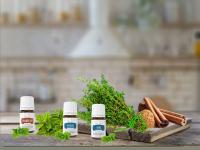
Origanum vulgare L. is a widely used aromatic plant, especially due to its content in essential oil, mainly rich in carvacrol and thymol. The ethnopharmacological uses of Origanum vulgare L. essential oil (OEO) comprise digestive, respiratory, or dermatological disorders.

The effectiveness of Origanum vulgare L. essential oil (OEO) against a wide range of pathogenic bacteria has been extensively studied. As it has been shown by an increased number of studies in the field, OEO represents an efficient alternative as an antimicrobial agent against both Gram-positive and Gram-negative bacterial strain. The disinfectant and antibacterial properties of the OEO were attested for the first time in ancient Greece, where it was frequently utilized for treating bacterial skin and wound contaminations. It was also used as a food preservative.  Carvacrol and thymol represent the two primary phenols, constituting almost 78–85% of the OEO and they are responsible for the plant’s antimicrobial properties . The antibacterial activity of the OEO results from the high level of thymol which, according to Lambert et al. ties to membrane proteins and increases the permeability of the bacterial cell membrane. In the same way, carvacrol acts on bacterial cells causing structural and functional damage, which increases bacterial cell membrane permeability.

        January 22, 2022

       Abdominal massage is the most effective method in the complex treatment of constipation in adults, children and pregnant women, which has no side effects. It is used for a wide range of diseases: neurological, diseases of the limbs, spine, digestive and respiratory systems.

       Constipation is a disorder of the intestinal tract. It is characterized by rare acts of defecation, pain during emptying, bloating with flatulence, vomiting, nausea, and difficulty in passing feces through the intestines. Problems with emptying can occur at any age.

January 16, 2022                                        

Potentilla alba L. (Rosaceae) is a valuable medicinal plant and has a long tradition of therapeutic use in Europe, especially in the eastern part of the continent. Mainly, the rhizome of this plant have been used alone or as a part of a comprehensive therapy to treat thyroid gland disorders.

Potentilla alba, also known as white cinquefoil, is one of approximately 500 species of the genus Potentilla belonging to the Rosaceae family. 

White cinquefoil is traditionally used in Eastern Europe to treat diseases of the liver, cardiovascular system, and gastrointestinal tract and as a wound healing agent due to its antibacterial activity. Extracts from the aerial parts stimulate the central nervous system, whereas the underground parts of this plant increase diuresis, enhance bile secretion, and improve intestinal function. In folk medicine, an infusion of P. alba roots is prepared for painful menstruation as an antispastic and analgesic agent. A decoction of the roots with rhizomes is used for gout, rheumatism, jaundice, and dysentery. In folk medicine of Belarus, it is recommended to drink a decoction of the aerial parts of white cinquefoil when suffering from prolapse of the uterus.

January 9, 2022

Massage is the effective method of therapy and prevention of many diseases, including sinusitis.

Pressure on certain points can have a beneficial effect on the body - improving overall well-being and reducing the intensity of the manifestation of unpleasant symptoms. Due to this, massage for sinusitis at home is often prescribed by doctors as an adjunct to drug treatment.

January 2, 2022

The composition of Potentilla Alba is rich in vitamins and various microelements (iron, magnesium, zinc and others). But for the thyroid gland, iodine and iodinated acid are important, which are able to normalize and stabilize the functionality of the organ. Herbal medicine will help only at the initial stage of the development of diseases.

The plant also contains tannins, saponins, flavonoids, amino acids. They have a pronounced anti-inflammatory property and at the same time they are able to activate regenerative (restorative) processes throughout the body and to ensure the renewal of gland tissues at the cellular level. The result of this action is a decrease in the size of the organ and the gradual "death" of pathologically altered cells.

Pages

Subscribe to Blog RSS Feed